

Opening film for an event at the Design Museum in London,
The brief
Worldpanel by Numerator hosted How Britain Shops: Then · Now · Next, a one-day event at the Design Museum in London, bringing together senior leaders from across FMCG and retail. The event also marked the announcement of the biggest change to its GB panel in years.
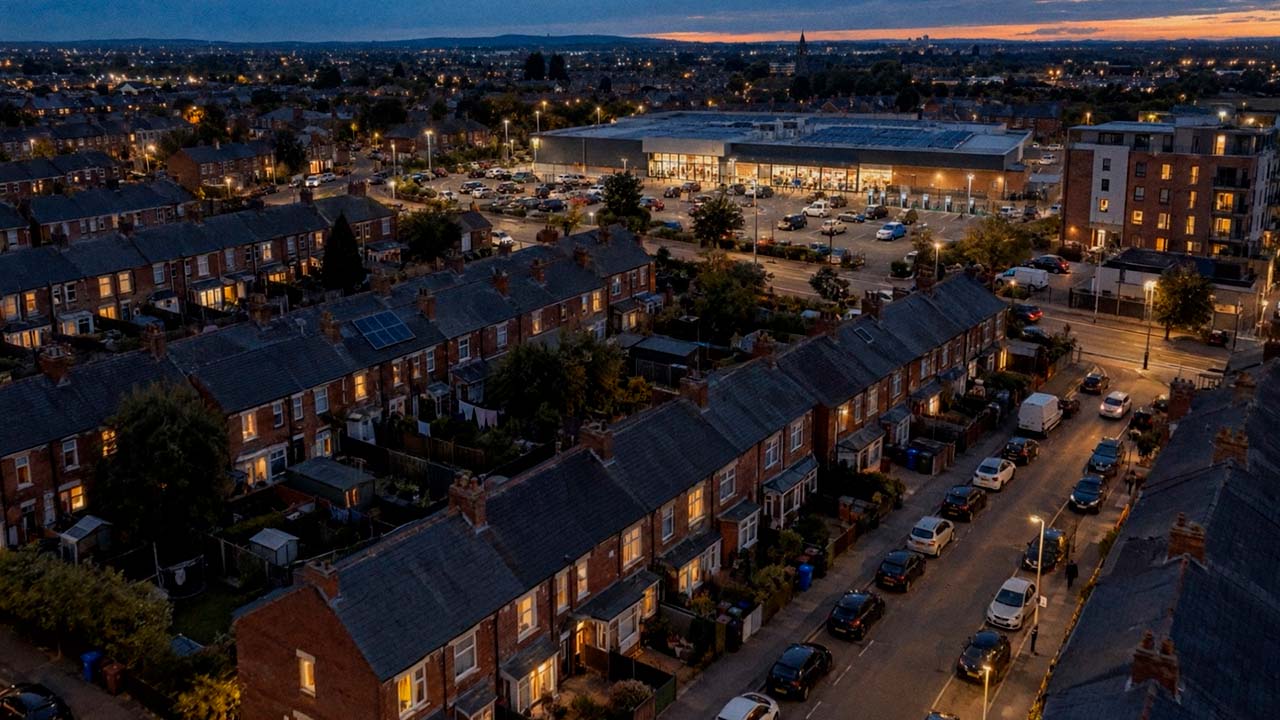
We were asked to make the opening film. Two minutes to take the audience from 1996 to today, and then into the future.
Why AI
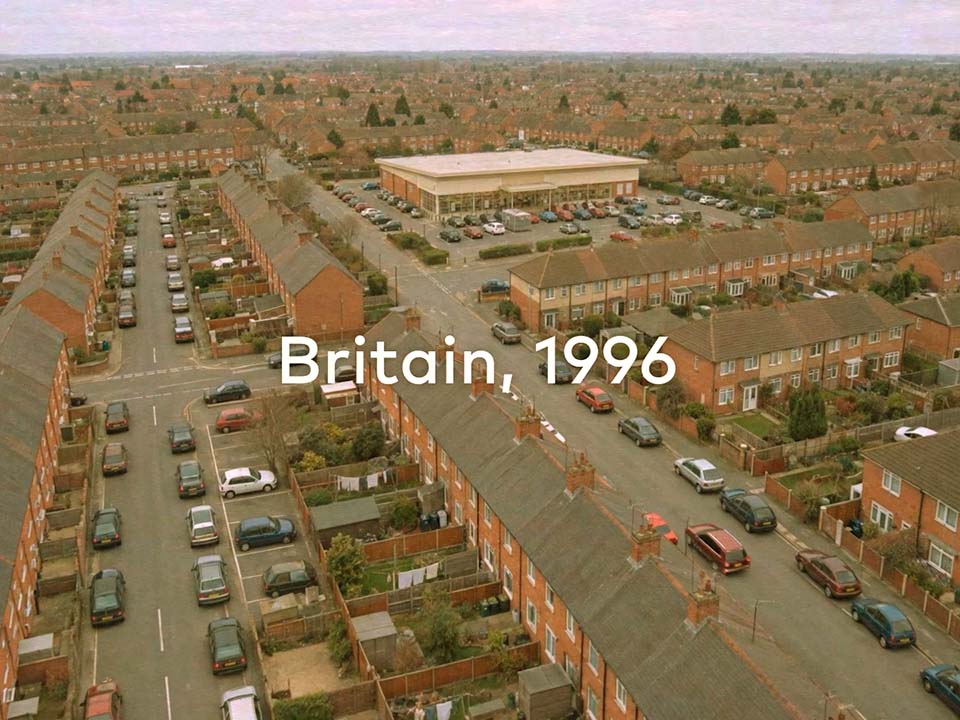
The film starts in 1996, with a family doing their weekly shop in a British supermarket. Finding the right footage for that scene in a stock library was pretty much impossible, so we proposed generating it with AI.
Once we got that first part working, we decided to make the rest of the film the same way. In the end, every shot but one was AI-generated, including the voiceover.
The process
We approached it much like a traditional film production, just with a different set of tools.
1. AV script. We described every shot, line by line against the voiceover, and got the client’s approval before generating any images.
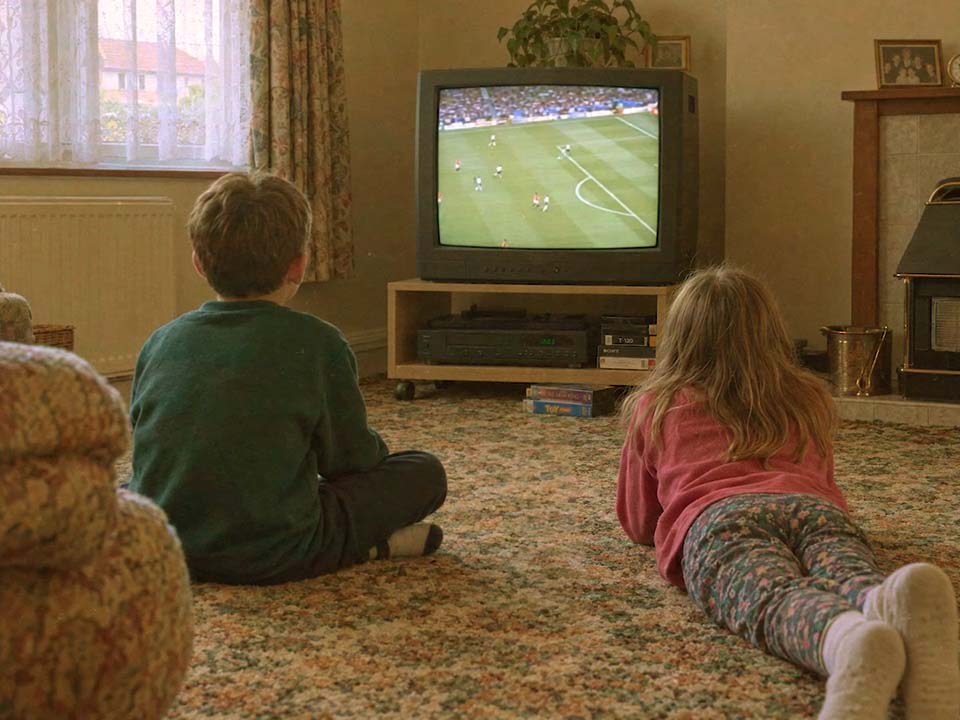
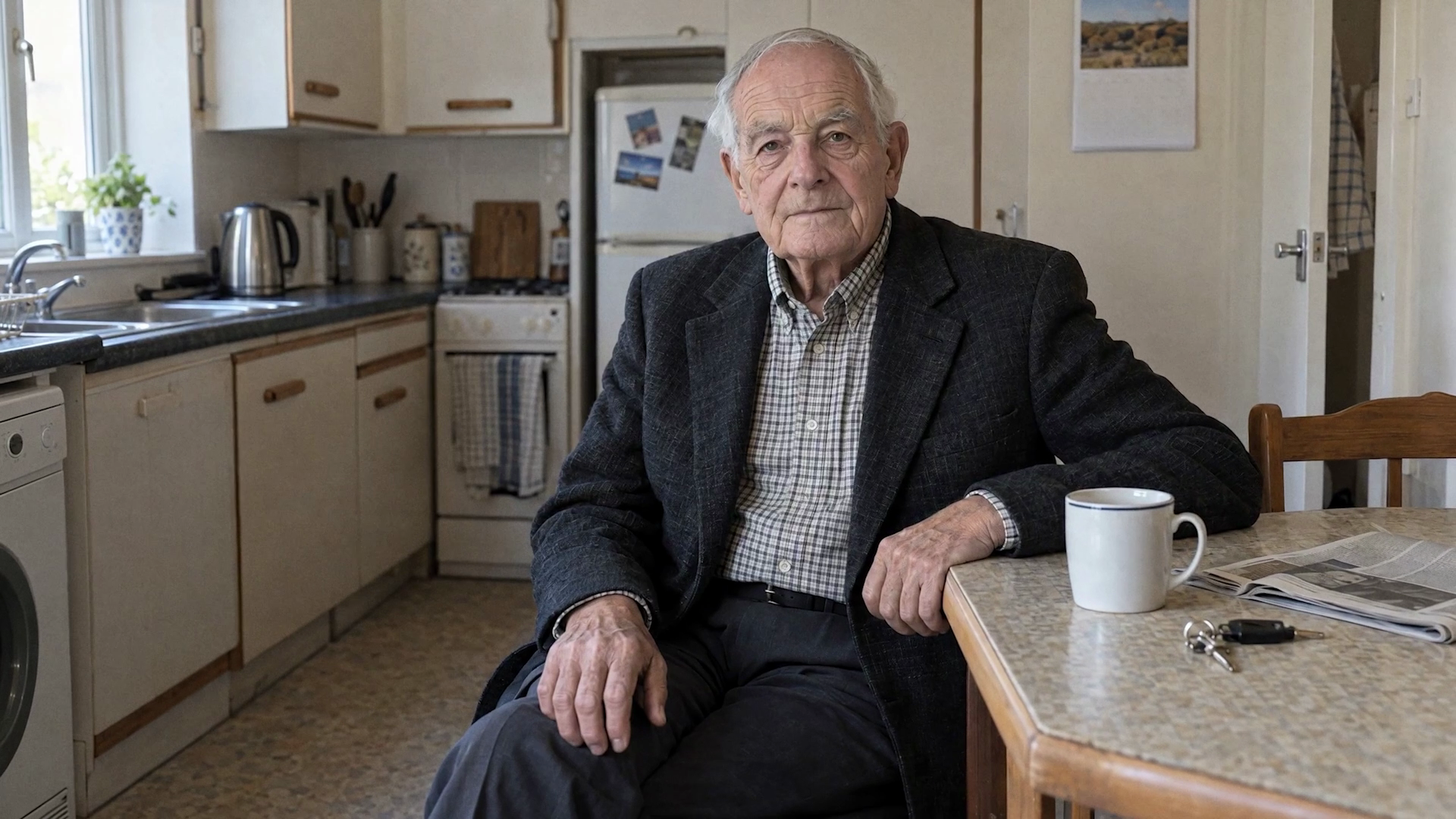
2. Visual style. We went for British documentary realism: ordinary people, real homes, available light. We carried this through every prompt to keep the look consistent across the film.
3. Casting. We started with a single image of the family in a supermarket aisle. Once the client approved the cast, the look and the location, we used it as the reference for the rest of the process.
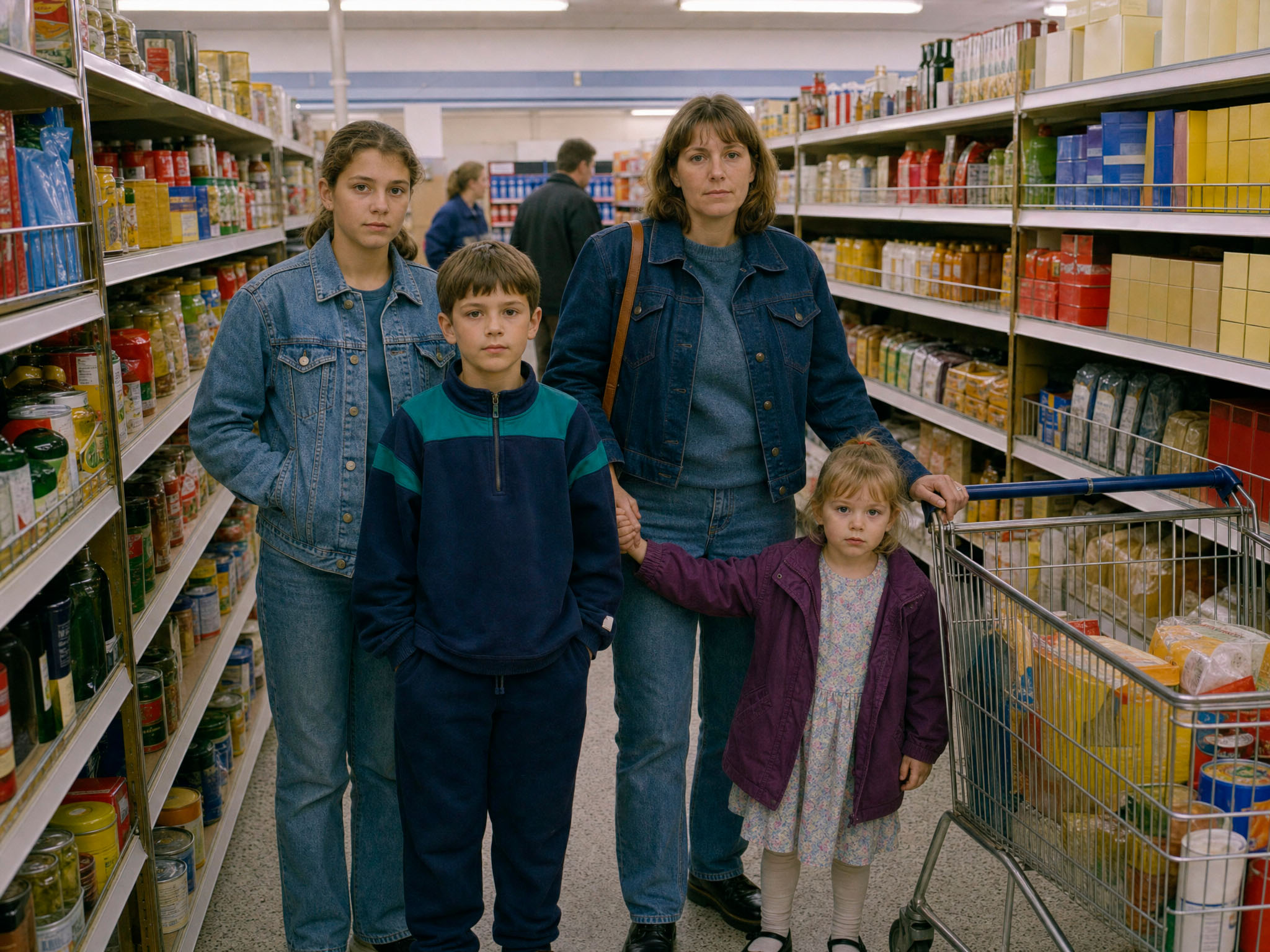
4. Characters and locations. We built character sheets and location references to keep the same people and places consistent from shot to shot.
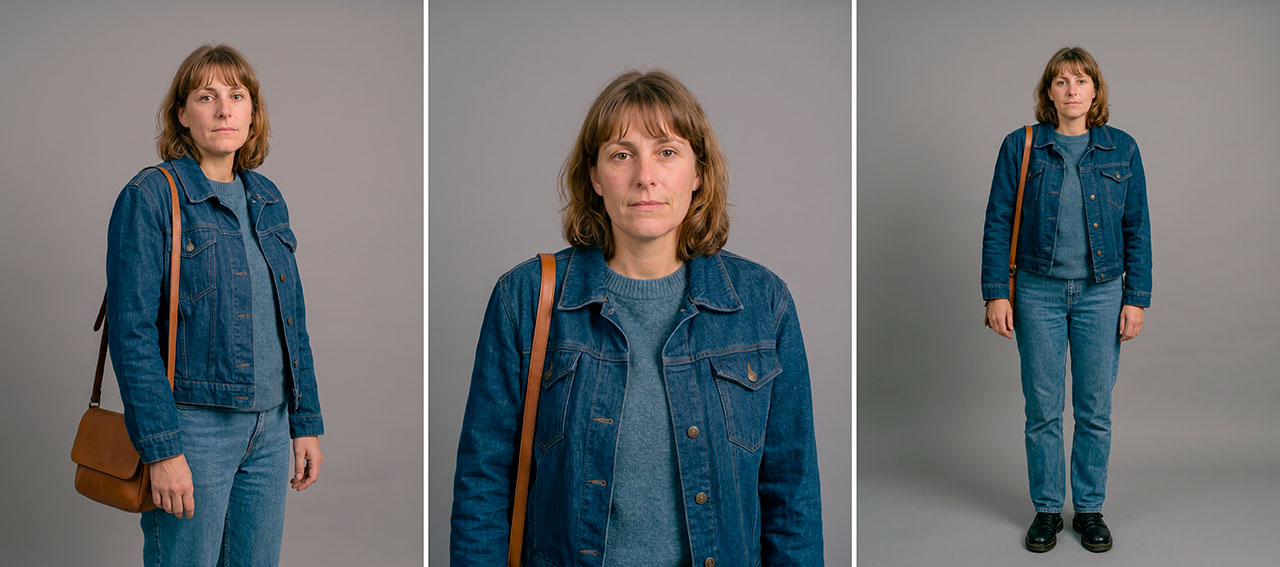
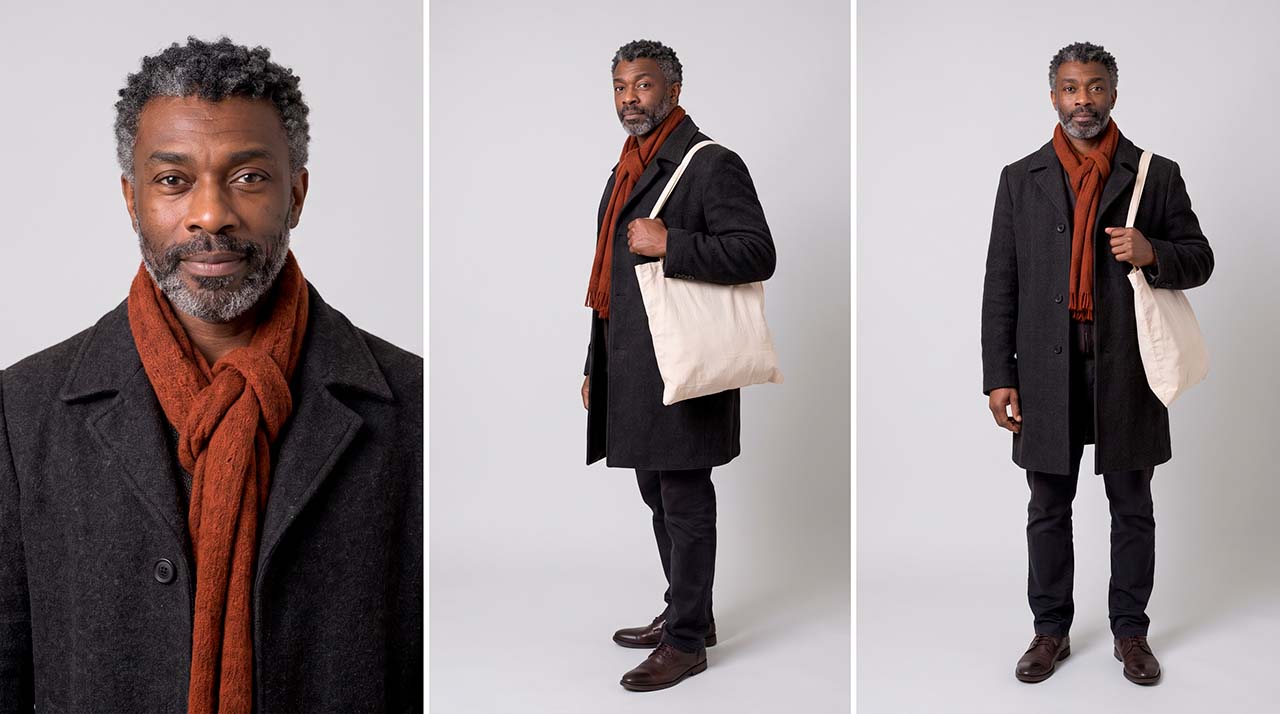
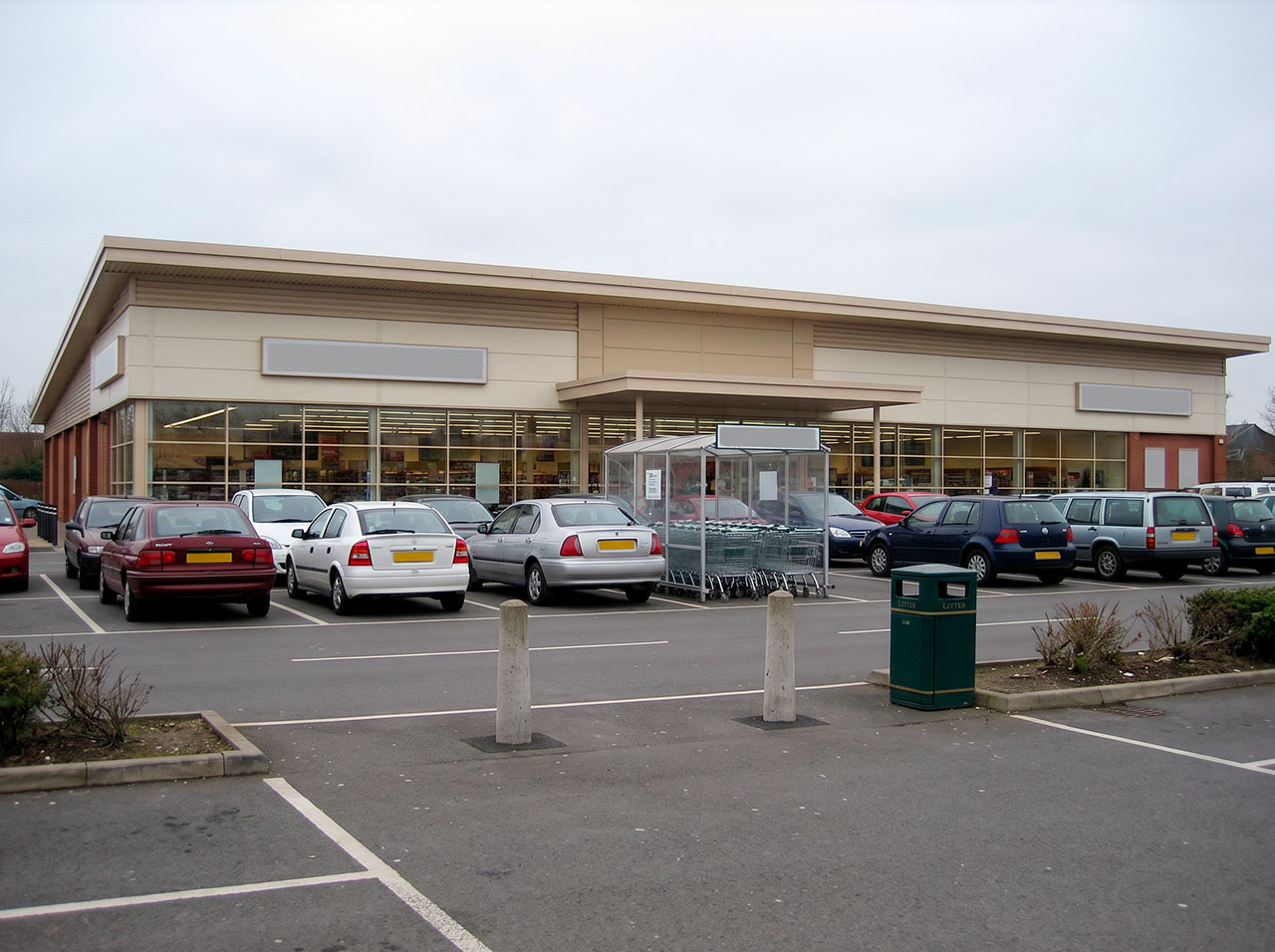
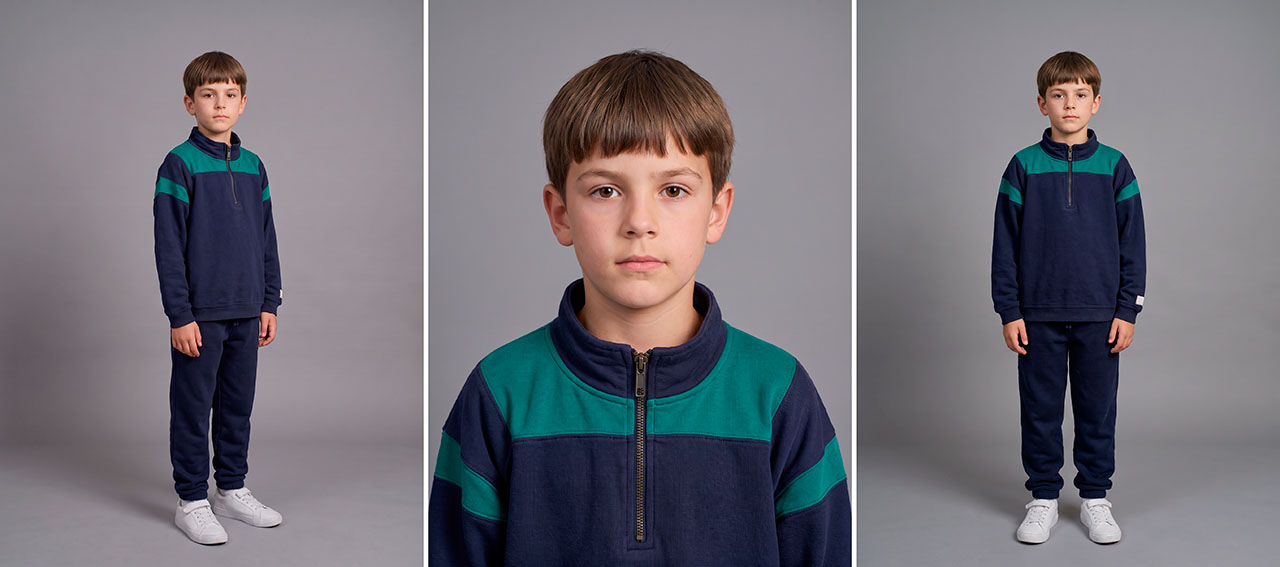
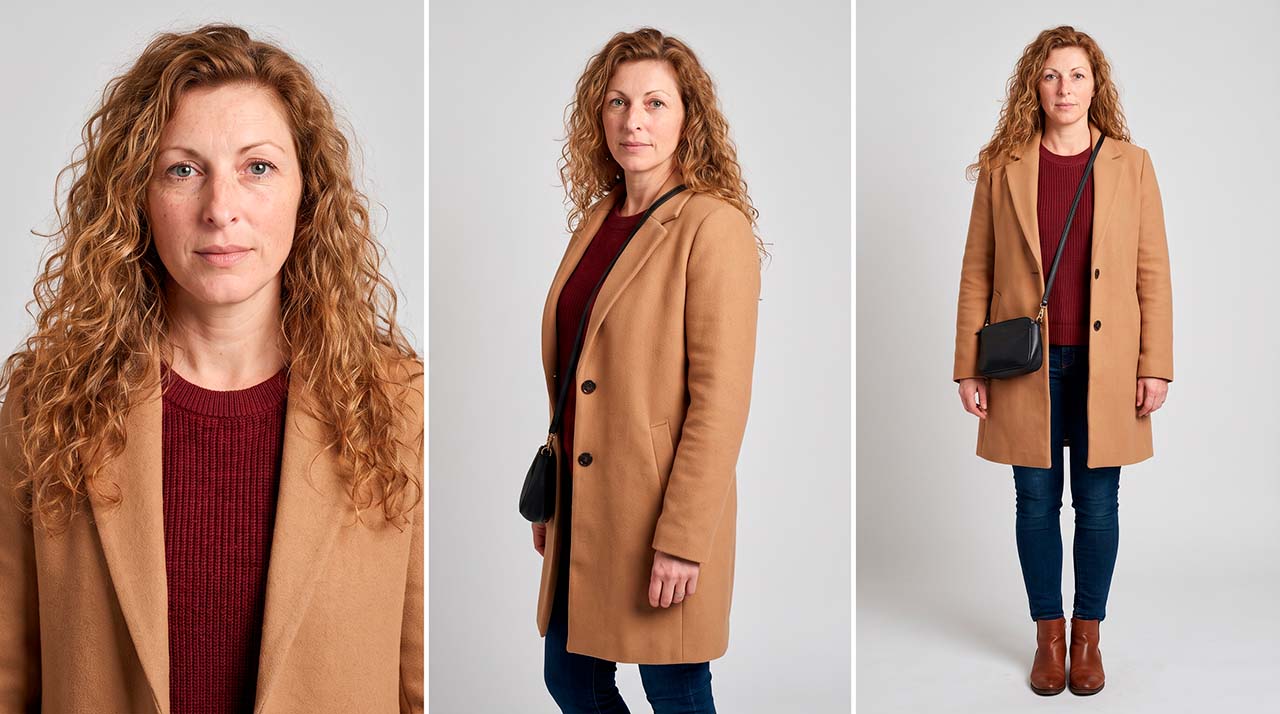
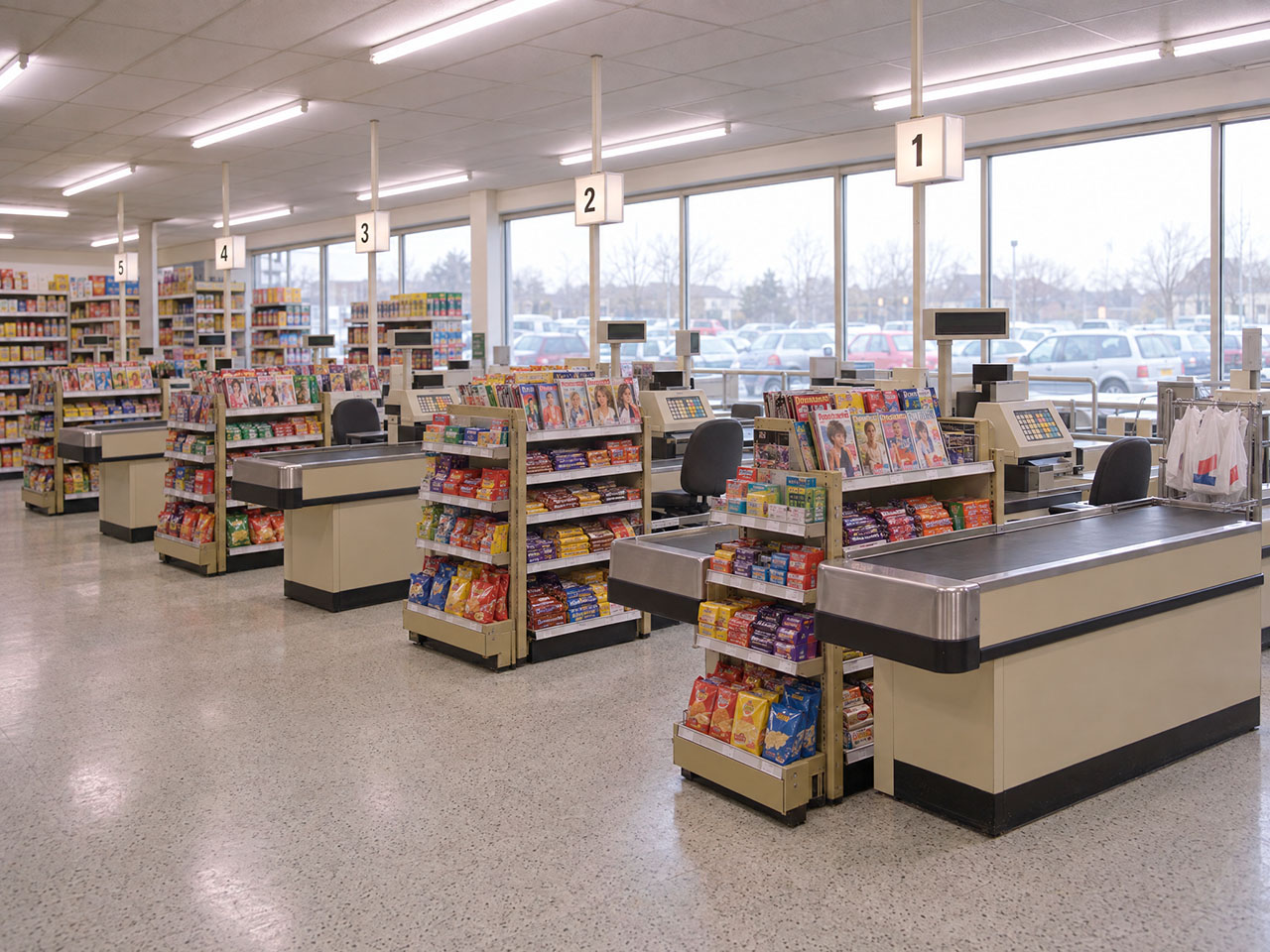
5. Storyboard. We generated a still for every shot and shared the full storyboard with the voiceover and four music options.
6. Video generation. Once the stills were approved, we turned them into clips. For each shot, we made decisions about the lens, camera position and movement, just as we would on a traditional shoot.
7. Edit. We brought everything together in Adobe Premiere Pro, working on timing, sound design and colour grade.
We tackled the 1996 sequence first, as it was the most challenging part. Once we had that working, we followed the same process for the rest of the film.
Everything was built in Magnific Spaces, where we could keep the whole project organised on one board, from the original prompts and stills to the final video clips.
The result
The film opened the event on 1 October 2026. From the initial brief to the final master, the whole project took three weeks.
The client approved the final film without a single change.
Read more about the process
If you’d like to know more about how we made this film, we’ve published a detailed breakdown on our blog.

